
Phenomenal Light

Was it sunny out when you woke up this morning? Maybe it was raining or snowing, and it looked kind of dreary. But no matter what the weather was like when you woke up today, we’re willing to bet there was light!

What is light?

Light doesn’t have any mass, so it isn’t considered matter. However, scientists explain light as a form of energy made up of photons–bundles of electromagnetic energy. Light is unique in the way that it acts not only as a wave, but also as a particle!

Let’s bring some knowledge to light and discover more fun facts about how light travels!

How Fast Does Light Travel?

Light is the fastest traveling thing on Earth–even superheroes and cheetahs are slow in comparison! If you put light in a vacuum (not a cleaning one, but one like space, where there’s nothing there to slow it down), it travels at 186,282 miles per second!

WHOOSH! That’s fast!

Light travels slower if it’s going through opaque or translucent matter, but it doesn’t slow by much! It still moves extremely fast.

To put the speed of light into perspective, humans have never managed to travel faster than the crew of the Apollo 10 did. They rocketed from Earth at a whopping 24,816 mph, but that’s slow compared to light; lightwaves travel 7.5 times faster!

Fun Fact: Light from the Sun takes 8 minutes to get to Earth, and the Sun is located 93 million miles from us! It takes about 1.3 seconds for the moon’s light to reach Earth.

Light & 3 Types of Matter

How light travels through matter depends on the matter itself. There are 3 different types of matter:

  1. Transparent matter. Matter like air and water is transparent, and light can pass right through it without a problem.
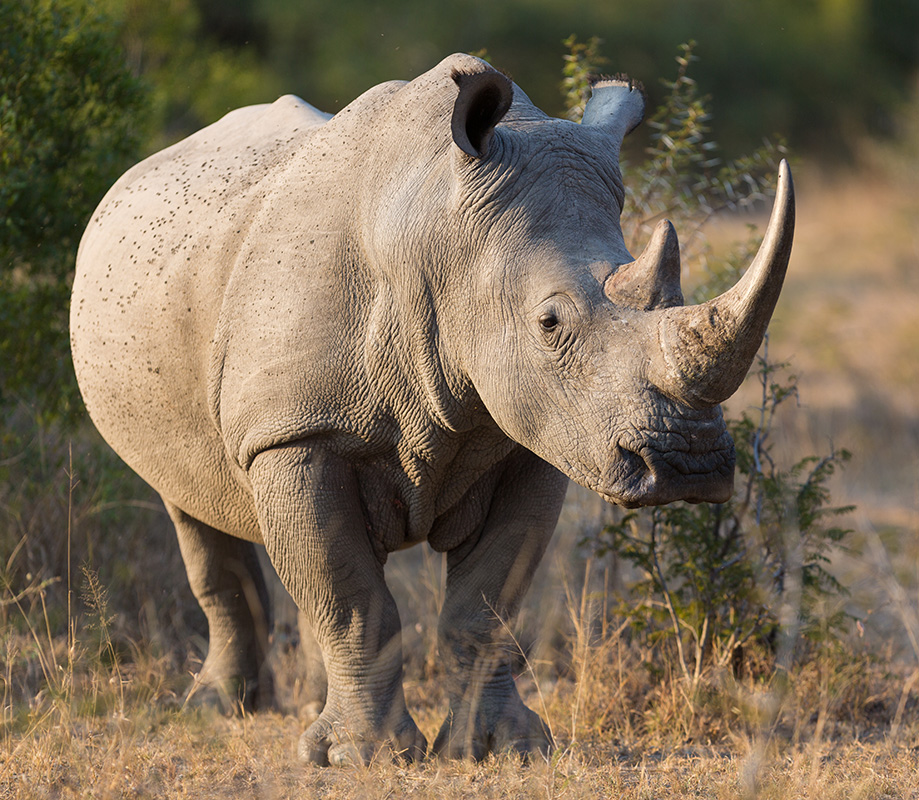
  2. Opaque matter is a solid object like you and me, a book, a desk, or a wall. Opaque matter reflects light. When our brains see that reflected light, it translates into colors!
  3. Translucent matter such as sheer curtains, tissue paper, and plastic do both of these things–they reflect the light and allow some through. But unlike transparent matter, translucent matter warps things on the other side so they can’t be clearly seen.

Types of Light

The light we see is called visible light or white light. However, light isn’t white; it’s actually made up of all the colors of the rainbow (red, orange, yellow, green, blue, indigo, and violet). These colors naturally occur in the light waves.

There are also two other kinds of light: infrared and ultraviolet. Infrared light contains electricity, and ultraviolet light exists beyond the visible violet light.

Fun Fact: We get sunburns from the UV (ultraviolet) rays in the sun’s light! This is why we can still get a sunburn even on a cloudy or rainy day. UV rays are almost always able to travel through whatever’s in the atmosphere.

In order to see these two types of light, you need special scientific equipment. Even then, they’re difficult to spot!

Fun Fact: When you use a remote to change the channel or turn up the volume on your TV, you’re using infrared light!

What is Refraction?

When light travels uninterrupted in a straight path, it’s called a “ray.” However, when light has to pass through transparent matter (like water or glass), it bends or turns. As we discovered earlier, different types of matter have different qualities that affect the light’s wavelength. When light goes through a type of matter that makes it bend or change directions, we call it “refraction.”

Scientists have figured out how to use refraction to our benefit–like in lenses, which use refraction to help us see things! Microscopes enable us to see teeny tiny things like bacteria, while telescopes help us peer into space. Even everyday glasses use refraction so we can see the world around us more clearly.

Fun Fact: When light passes through a prism, each color of light is refracted to a different angle. This is how we’re able to see a rainbow on a sunny day!

How Enlightening!

Want to shine a light on more fun facts? Check them out!

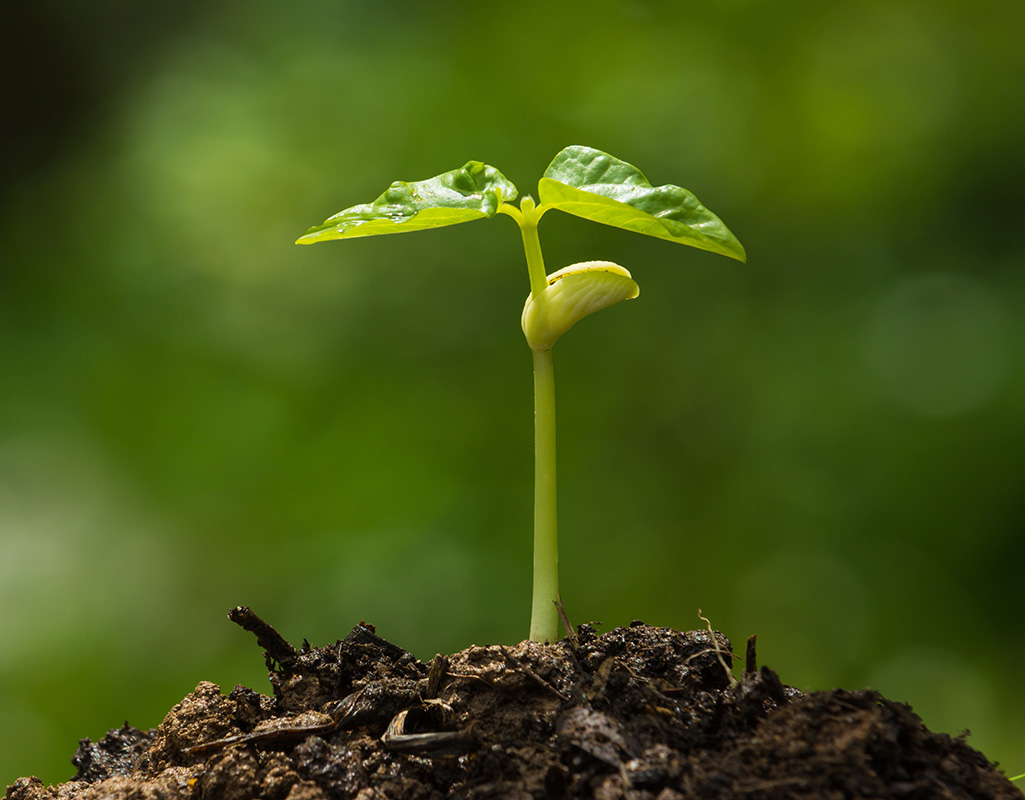
  • Plants turn the light from the Sun into food and energy through a process called photosynthesis.
  • Leaves change color in the fall because of the decrease in sunlight. As the world gets darker, leaves lose their chlorophyll (the substance that makes photosynthesis possible and turns the leaves green) and return to their natural color!
  • A ray of light’s strength depends on how much energy its photons contain.
  • When light shines through glass, it is slowed down from about 186,000 miles per second to 124,000 miles per second.
  • Cameras only allow a certain amount of light through their lens to give you the perfect shot. That’s why they sometimes take a second to focus!
  • Each color comes from a different wavelength of light.

Go at the Speed of Light!

Did you enjoy learning all about light? Then tell people about knowonder! and teach them about what you discovered here today. You can also leave us a 5-star rating. Try to do these things at the speed of light!

Rate this story
5/5