
by Laird Long –
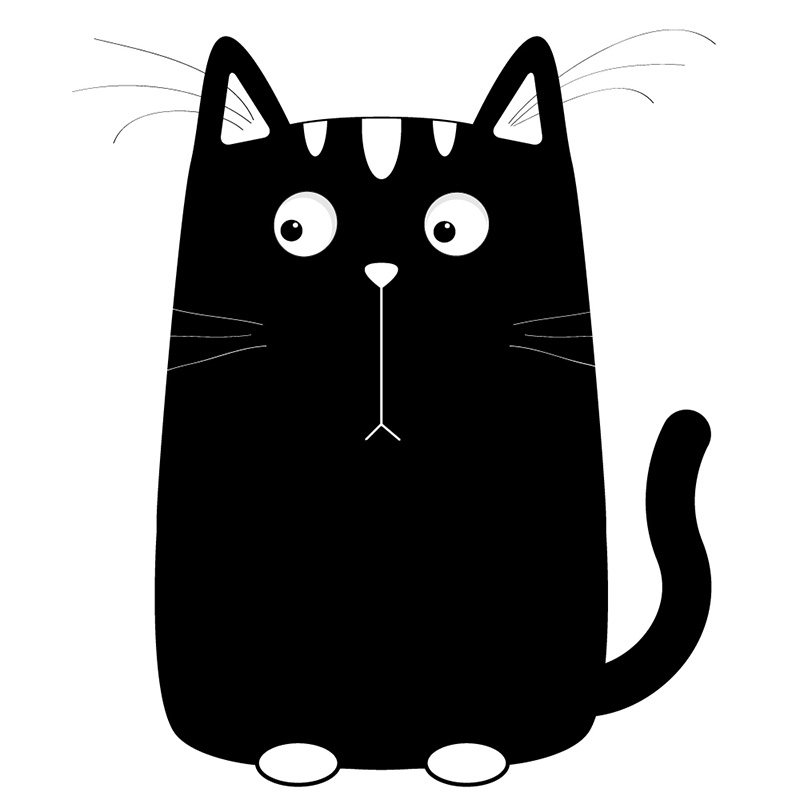
Jill Hennesy’s alarm clock went off, waking Skunk the cat. The all-black feline with the white stripe down its stomach stretched out its furry front paws and arched its furry rear-end, yawned hugely. After eight hours night sleep, it was high time for breakfast.
Skunk was posted in the hallway in front of Jill’s door when the young woman stumbled out of her bedroom and made for the bathroom. “Oh, morning, Skunk,” Jill said, almost tripping over the cat, which was Skunk’s intention—a reminder that someone had to be fed.
Jill bent down and patted Skunk’s head. The cat allowed it, so long as his food dish in the kitchen would soon be filled. Jill stood up and strolled into the bathroom. Skunk grimaced.
One half-hour of impatient waiting and shower-listening later, Skunk was finally rewarded with the bathroom door cracking open. He directed the towel-clad woman into the kitchen.
Skunk wound around Jill’s legs as she fumbled with the container of cat food, not so much out of affection as to hurry her up. At last, he heard the satisfying gloop sound of wet cat food glopping the bowl, and Jill brought his dish down to the floor.
Skunk sniffed at the chicken and salmon concoction disdainfully, as if to say, ‘This again?’ Then, when Jill had ruffled his fur, run out of the kitchen and back to her bedroom to get dressed, Skunk devoured the chow mound in one minute flat.
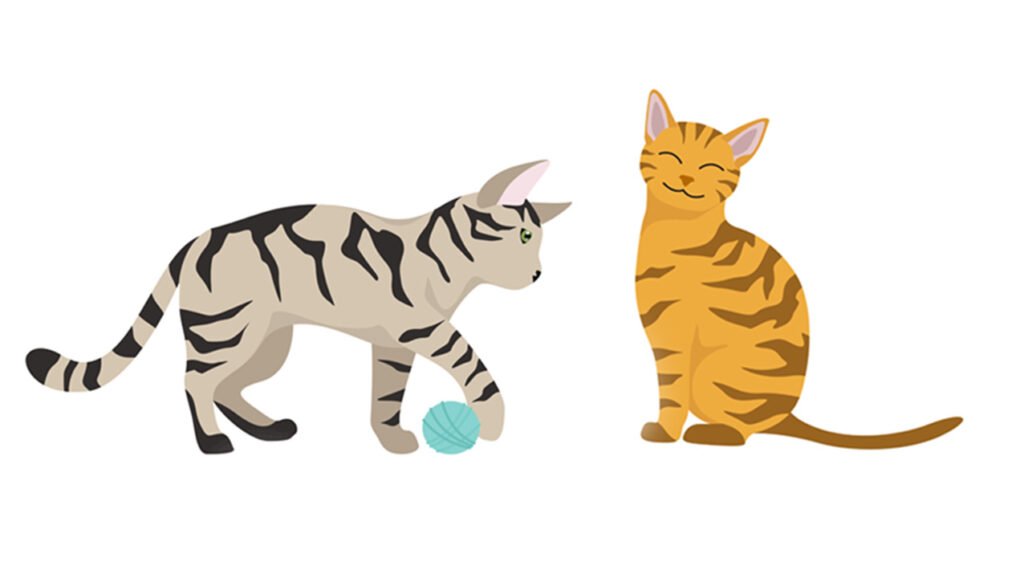
Jill left for work. Skunk finished up his leisurely licking (deodorizing his fur coat of human hands) and then nosed through the cat door and stepped outside. He sniffed at the warm air, feeling the bright sunshine soak into his black fur. Until Muffins, the grey tabby from next door, suddenly galloped up the steps of the front porch and into Skunk’s face.
The two cats briefly hissed at one another, sniffed each other. Then Skunk casually asked, “What’s up, Muffins?”
“Mrs. Robinson’s garden was wrecked again last night!” Muffins mewled, her big blue eyes wide. “She’s really upset. She gave me such a dirty look when I walked by on her fence just a moment ago!”
Trouble. It was no dog’s life a cat lead, Skunk well knew.
Mrs. Robinson was the elderly widow who lived four houses down. Her garden—her pride and joy and produce-producing patch of backyard—had been messed up once already earlier in the week. Plants picked over, leaves shredded, stakes uprooted, vegetables filched. And the woman obviously suspected that the felines in the neighborhood were responsible for the dirty work. A phone call to the city pound was a distinct possibility. Something no free-range cat wanted.
Skunk rubbed his white whiskers with a black paw. “We’d better convene a caterwaul,” he decided.
Muffins shot off like a grey streak to gather all the neighborhood pusses together for a confab.
Later that day, Skunk surveyed the crowd of felines gathered in the rundown storage shed in back of Earnest Grimes’ rambling house. The group of fourteen related and unrelated cats variously meowed at one another, groomed themselves with long, pink, stroking tongues, or huddled down onto their haunches on the yellowed grass to doze in the warm, stuffy confines.
“Everyone’s here,” Muffins reported, completing her wet nose count. “Except Cinnamon. She has a vet appointment she couldn’t get out of.”
The very name of the hated profession united the cats in a low growl.
Skunk held up a paw, batting down some silence. “Okay, let’s get to it. Someone or something has been messing up Mrs. Robinson’s garden. Twice this week. And it’s giving us all a bad rep in the neighborhood. Anyone have any information on whom or what is responsible?”
Yellow, green, and blue feline eyes shifted suspiciously back and forth. But no one was letting any cats out of the bag.
“If it’s someone here, now’s the time to come clean,” Skunk stated. “Before we all get our outdoor roaming privileges taken away. Or get strung onto leashes—like dogs!”
That last remark drew a collective hiss from the audience.
“Okay, good,” Skunk continued. “Then what do we think is the culprit?”
“Kids!” Mr. Butterball, the round, yellow, old tomcat spat out.
“Rabbits!” Tiki, the snowshoe Siamese squeaked.
“Rodents!?” Ghost, the pure-white, all-fur Persian suggested. Then she licked her chops.
Skunk nodded. “Those are all possibilities we’ll have to investigate. Now, I want-”
But the cats had already started wandering away, intrigued by the tinkle of a wind chime, the chirp of a cricket, the erratic flight of a butterfly. Herding cats together for a common purpose was a mission long steeped in futility.
“Looks like you’ve been elected to do the investigating,” Muffins commented to Skunk, grinning like a Cheshire.
Skunk sniffed around at the local bunny holes—under the Tanners’ front porch, the crack in the church foundation down the street, the abandoned composter in the Constantine’s backyard that served as a floppy-eared apartment of sorts. But the nose-twitching, whisker-wiggling story was the same. The rabbits all claimed they were getting their grub in small, green, chewy gulps from the large patch of wild alfalfa growing in the elementary schoolyard at the end of the block.
Skunk ambled down the lane in back of Mrs. Robinson’s house, mulling things over. He idly glanced up when a crow cawed a belligerent warning to its fellow black birds up in an oak tree, “Cat on the prowl!” Then the short-haired feline with the inverted skunk markings slipped in between two silver garbage cans set up next to Mrs. Robinson’s garage. And watched and waited.
Soon enough, the school bell sounded. And then groups of the perky, pesky little people appeared, walking and running down the back lane, yelling at one another, headed home from the elementary school. Skunk’s yellow, pupil-slitted eyes shone out from his concealed place of surveillance, unnoticed by the children. He noticed, though, the chips and chocolate bars and cans of soda the kids were consuming as they chattered along.
A few tossed their snack wrappers into Mrs. Robinson’s backyard, missing her garbage cans with yards to spare. But no one ventured through the swinging gate in the fence to mess with the garden. Skunk could clearly see there was no interest in nutrition-rich vegetables among these kids.
The cat spent the rest of the day patrolling back fences and dozing in the sun. Until darkness descended, signalling it was time to return home and tuck into a second helping of food that Jill had hopefully already laid out for him. He had her trained well.
Like all of the other cats in the neighborhood, Skunk spent the night indoors. The sheltered environment provided a more peaceful, less distracting place for much-needed sleep. Doghouses were for dogs, after all.
The following morning Skunk found Mrs. Robinson’s garden in another state of disarray. The tinfoil seed packets the woman had propped up on stakes to mark her rows of vegetables were torn and strewn about. And her young stalks of corn and vines of beans and peas were picked practically clean.
“So, it’s a night thief,” Skunk mused, staring down at the wanton garden destruction from the backyard fence.
Then Mrs. Robinson rushed out of the house and angrily chased him away with a broom.
“What’s wrong, Skunk? Why are you meowing like that?” Jill Hennesy yelled at the cat that evening.
Skunk was furiously scratching at the latched cat door, yowling at the top of his lungs. He knew it was the only way to get Jill to let him out for the night—fake a bit of kitty cabin fever so she couldn’t get to sleep unless she let him roam. It was already midnight, and the woman had already missed an hour of much-needed beauty sleep.
Sure enough, she finally unlatched the door in frustration. Skunk instantly shut up and sauntered calmly out into the night, tail held high. Then he scampered down the back lane and squirmed through a loose slat in Mrs. Robinson’s fence then slunk undercover into the leafy tomato vines of the woman’s garden. He was ready to crack the case like Jimmy cracked corn.
Skunk didn’t have to wait long. Fifteen minutes after taking up his spying and ambush position, he heard fluttering close by. Peering up through the vines, able to see in the dim light thanks to his cat’s eye vision, he spotted five darker shapes swoop down and land on the garden stakes, plucking at the moonlight-shiny tinfoil seed packets. Then another five swooped down out of the sky and landed on the corn stalks, shucking the already partially denuded cobs.
Great cats! Skunk thought. Now it all makes sense!
Skunk knew crows were notorious crop-filchers (just ask any farmer), and that they were attracted to shiny objects as well. They’d been afraid to hit the garden during the day with all the cats prowling about. But at night, when the cats were inside, the crows came out to play in Mrs. Robinson’s garden.
Skunk’s whiskers twitched with satisfaction, his furry ears spinning like twin radar dishes at the raucous sounds of the crow-rendered destruction. Then he burst out of the tomato vines howling, raced through the fence and back up the lane to the safety of his home, sent the garden-marauding crows flying in surprise.
The neighborhood cats pulled night shifts the entire rest of the week, Skunk and Muffins arranging it so that there was a feline hunkered down in Mrs. Robinson’s vegetable patch every night when the crows came cawing. The vigilant puss on duty would then spring out into the open hissing and screeching, scaring off the birds.
“Conditioning them,” Skunk explained to Muffins.
“To what?” Muffins asked, her blue eyes wide. “To expect an attack of the garden cat every night?”
“Exactly,” Skunk purred. “Those crows are going to come to think there’s always a cat in Mrs. Robinson’s garden. And we’re going to show them there is. So they better keep away.”
“But we can’t keep it up!” Muffins pleaded. “We’re all so tired! Why, Mr. Butterball figures he’s lost another one of his lives just staying awake all last night.”
Skunk nodded. “We’re going to set up a permanent guard, put a permanent stop to those crows raiding Mrs. Robinson’s garden. Didn’t you say that Alice, your human companion, made a likeness, or sculpture, of you in her woodworking class at school?”
Muffins fluffed out her striped grey fur with pride. “Oh, yes! A wooden statue of me on wheels! It was her class project. She was supposed to give it away to a less fortunate child at Christmas. But she kept it.” The cat meowed. “She loves me. She has it up on her bedroom dresser by the window.”
“Well, we’re going to plant your splintery self in Mrs. Robinson’s garden to act as a scarecrow,” Skunk said, bursting Muffins’ bubble. “The crows will see it at night and think a cat’s still guarding the vegetables, give them the fly-by.”
“But-but … she made it for me,” Muffins whimpered. “Of me. Because she loves-”
“Right,” Skunk cut her off. “Push it out Alice’s bedroom window and we’ll roll it over to Mrs. R’s garden.”
“But-but-”
“You’ll be doing all the cats in the neighborhood a service.” Skunk placed a paw over Muffins’ paw. “And you can go over to Mrs. Robinson’s garden and crow about it anytime you like.”
the end.
Question Time
- What happened to Mrs. Robinson’s garden?
- Who did the cats think was responsible?
- What did Skunk discover that night?
- How did they scare away the crows for good?